








Written By Morritt's

Mango Season in Grand Cayman
If you’re visiting Grand Cayman during the summer, there’s one thing you’ll notice pretty quickly… mangoes are everywhere.
They’re growing in backyards, sold at roadside stalls and popping up on restaurant menus across the island. Ask any local and they’ll probably tell you they have a favourite variety—or a neighbour with a tree that produces the best ones!
Mango season usually runs from June through July, making it one of the tastiest times of year to visit Cayman.
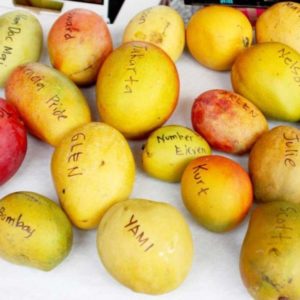
Which Mango Should You Try?
One thing you might not realise is that there isn’t just one type of mango growing in Cayman. In fact, there are dozens of varieties across the island, and asking a local which one is best is likely to start a friendly debate!
Here are a few of the most popular varieties you’ll come across during mango season:
🥭 Julie – A true Caribbean favourite. Small, sweet and wonderfully fragrant, Julie mangoes are soft, almost completely fibreless and packed with flavour.
🥭 East Indian – One of the larger varieties, known for its rich tropical sweetness with hints of pineapple and lemon. Juicy and full of flavour, it’s a favourite across the Caribbean.
🥭 Bombay – If you like bold, classic mango flavour, this one’s for you. Bombay mangoes have smooth, juicy flesh and are loved for their rich, aromatic taste.
🥭 Madam Francis – Sweet with just a slight tang, this variety has soft, juicy flesh and a subtle peach-like finish that’s perfect for snacking.
🥭 Carrie – Intensely sweet and aromatic with a hint of coconut, Carrie mangoes are incredibly juicy and almost completely fibre-free.
🥭 Southern Blush – Sweet, refreshing and balanced, with subtle citrus notes and very little fibre.
🥭 Nam Doc Mai – Originally from Thailand but also grown in Cayman, this mango is silky smooth, almost fibreless and wonderfully sweet, making it ideal for desserts.
🥭 Glen – Mild, juicy and easy to eat, with delicate peachy flavours. A great choice if you prefer a slightly lighter-tasting mango.
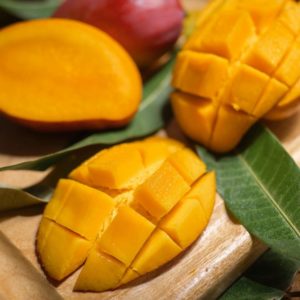
So… What’s the Best Way to Eat a Mango?
The honest answer? There isn’t one! Ask five people and you’ll probably get five different methods. Here are a few of the most popular:
The Hedgehog Method: This is probably the neatest way to enjoy a mango. Slice the two “cheeks” off either side of the flat seed, score the flesh into a criss-cross pattern (without cutting through the skin), then push the skin inside out. The cubes pop up like a hedgehog, making them easy to eat or add to fruit salads, smoothies or desserts.
Spoon It Straight from the Skin: Not worried about presentation? Cut the mango in half on either side of the seed, then simply scoop out the flesh with a spoon. It’s quick, easy and a great option if your mango is perfectly ripe and juicy.
Embrace the Mess: Many locals will tell you this is the best way. Peel the skin, grab a few napkins (or head outside!), and eat it straight from the fruit, working your way around the seed. It’s messy, you’ll probably end up with sticky hands and mango juice running down your arm…but that’s all part of the experience!
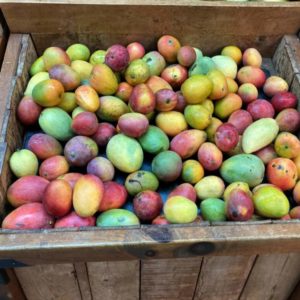
Keep an Eye Out While You’re Exploring
One of the fun things about driving around Grand Cayman during mango season is spotting little roadside fruit stalls selling freshly picked mangoes.
If you’re heading out to explore the island, it’s worth pulling over and picking up a few. They’re fresh, affordable and a great way to try one of Cayman’s favourite seasonal treats.
If you’re staying at Morritt’s, East End is the perfect place to slow down, take a scenic drive and discover these little local gems along the way.
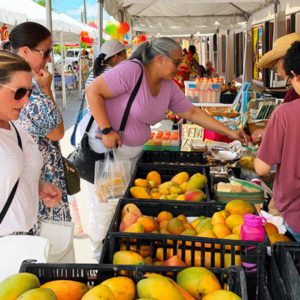
Don’t Miss Mango Fest
If your trip lines up with it, Mango Fest is well worth a visit.
Held each summer, it’s a celebration of all things mango, with local food vendors, fresh fruit, live entertainment and plenty of delicious mango-inspired dishes to try.
It’s a fun way to experience a little more of Caymanian culture—and maybe even discover your new favourite variety.
Make the Most of Mango Season
Whether you’re grabbing a fresh mango from a roadside stand, ordering a mango cocktail at dinner or simply enjoying the slower pace of summer in East End, mango season is one of those little things that makes a trip to Grand Cayman even more memorable.
If you’re visiting this time of year, don’t leave the island without trying one!
Recommended Reading.
The Sound of Cayman: A Journey Through the Islands’ Musical History
When most people think of the Cayman Islands, they picture turquoise water, white-sand beaches, and endless sunshine. But beyond the shoreline lies another important part of Caymanian culture: music.
Music in Cayman has always been more than entertainment. It’s storytelling. Community. Celebration. History passed from one generation to the next through rhythm, voice, and shared experience.
At Morritt’s Resort, music is part of the atmosphere too. Whether it’s a laid-back beach playlist during sunset, live local performers, or feel-good Caribbean classics drifting through the resort, music has a way of turning moments into memories.
And because we love the sounds of the islands so much, we’ve even created a Spotify playlist featuring some of the music and vibes we play around the resort. You can listen along while reading this blog — or save it for your next Cayman daydream.
Cayman’s Musical Roots
Long before streaming apps and beach bars, music in Cayman was deeply tied to everyday life.
Traditional Caymanian music was influenced by a mix of African, European, and Jamaican heritage, alongside the realities of island living. Folk songs were often simple, rhythmic, and deeply personal. They told stories about love, hardship, storms, family life, and the ocean itself. Instruments were usually homemade or easily accessible, including fiddles, guitars, drums, washboards, triangles, and maracas.
Much of Cayman’s early music culture was community-based. Families gathered in kitchens, churches held musical events, and local dances brought entire neighbourhoods together.
Before large venues existed, music lived in homes, streets, and shared public spaces.
The Influence of Jamaica and the Wider Caribbean
Because of Cayman’s close ties to Jamaica and other Caribbean nations, the islands naturally absorbed many regional musical influences over time.
Mentor music, ska, reggae, calypso, and soca all became woven into Cayman’s cultural landscape. Reggae in particular had a major impact, especially from the 1970s onward as artists like Bob Marley helped Caribbean music gain international recognition.
Soca and dancehall later added another energetic layer to the islands’ soundtrack, especially during Carnival season and community celebrations.
Cayman’s music scene became a blend of local tradition and wider Caribbean rhythm — relaxed, joyful, soulful, and deeply connected to island identity.
Kitchen Dances, Beach Bars, and Community Gatherings
For many Caymanians, music has always been tied to gathering together.
“Kitchen dances” were once a huge part of island social life. Families would move furniture aside, musicians would set up in the corner of a home, and neighbours would gather for an evening of dancing, storytelling, food, and laughter. Today, local bands like Swanky are helping keep this tradition alive.
As tourism grew throughout the Cayman Islands, live music also became part of the visitor experience. Hotels, bars, and restaurants began featuring local musicians like the Barefoot Man steel pan players, reggae bands, and acoustic performers to create an atmosphere that reflected the warmth and rhythm of the Caribbean.
Today, you can still experience this connection between music and community all across Grand Cayman.
From live bands performing seaside at sunset, to DJs during weekend brunches, to local festivals and cultural celebrations, music remains at the heart of island life.

Local Artists and Talent
Over the years, Cayman has produced many talented musicians and performers across multiple genres.
Local artists have blended reggae, gospel, soca, hip-hop, jazz, and traditional Caribbean sounds into something uniquely Caymanian. Community concerts, talent showcases, radio stations, and festivals continue to support local musicians and preserve Cayman’s cultural identity through music.
Events like Pirates Week, Carnival, and local heritage celebrations regularly feature live performances that bring generations together through song and dance.

The Soundtrack of a Cayman Vacation
One of the beautiful things about music is how strongly it ties itself to memory.
Years later, you may not remember every detail of a trip — but you’ll remember the song that played during sunset drinks, the live band during dinner, or the relaxed Caribbean rhythm drifting through the air on a warm evening.
At Morritt’s Resort in East End, we love creating those moments.
Our side of the island offers a slower, more laid-back version of Cayman, where you can truly unwind, reconnect, and settle into island time. Music naturally becomes part of that experience, whether you’re spending the afternoon by the pool, enjoying dinner and cocktails, or watching the ocean under the stars.
To bring a little of that feeling home with you, we’ve created a Spotify playlist inspired by the music and atmosphere around the resort.
So press play, turn the volume up, and enjoy a little taste of Cayman wherever you are!
June 12
Is Summer the Best Time to Visit Grand Cayman?
We get this question a lot. When it comes to picking a season to travel to Grand Cayman, there really is no right or wrong answer. However we do love Cayman in the summer for a number of reasons.
Sure, the winter months often steal the spotlight for being the most popular time to come, but the summer season here has its own unique charm and appeal.
It’s not as busy
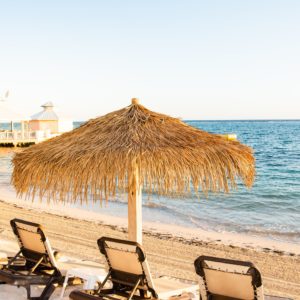
First of all, it’s a great opportunity to escape the crowds. It’s not dead quiet, but it is significantly less busy than the holiday period during the winter months. This allows you to enjoy a more relaxed and tranquil atmosphere. Stroll along the beaches, soak up the sun, and indulge in the natural beauty of the Caribbean without the hustle and bustle of peak tourist season.

There are plenty of fun local events
But don’t let the quieter ambiance fool you.
For those seeking cultural experiences, the summer months provide a unique opportunity to immerse yourself in the local scene. From attending lively food festivals and carnivals to participating in sea swims and watching Constitution Day fireworks, you can connect with the vibrant culture of the Cayman Islands at your own pace.
If you’re looking for warm weather, this is the time to come
It doesn’t get any warmer than a Cayman summer! If you’re seeking long hot days on the beach, soaking in the sunshine, then look no further. Average temperatures will hit the 90s, with sea breezes guaranteed. Ditch the heavy clothes, and just pack swim-suits and sandals!
The island feels more laid back
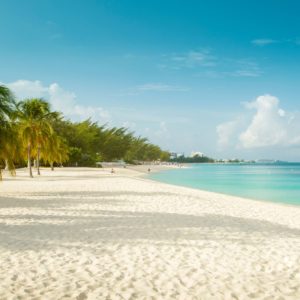
You can definitely feel the difference once summer rolls around. With fewer tourists and many locals and residents off on their own vacations, the island takes on a more laid-back pace of life. The warm weather and longer daylight hours also contribute to a leisurely ambiance, making it the perfect time to unwind and enjoy Grand Cayman.
It’s mango season
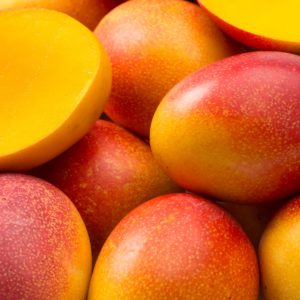
We saved the best reason for last! From June – July, the island comes alive with the sweet scent of ripe mangoes, and you can find them everywhere. They’re juicy, colourful, and bursting with tropical goodness. Whether you’re enjoying a fresh slice or drinking it as a refreshing smoothie, mangoes are a must-try during your visit. Don’t miss out on this tasty summer treat!
July 27


