



Written By Morritt's

Top 20 FAQs from Cayman Visitors
Planning your first trip to the Cayman Islands? It can be daunting when you don’t know what to expect! Luckily for you, we’ve compiled this list of our top 20 most frequently asked questions, so you can skip the research and get straight to packing!
Q: What should I pack?
A: Here’s a basic list to get you started – of course you will want to tailor this to your own needs:
Passport (may seem obvious, but you’d be surprised!)
Bathing suit
Reef safe sunscreen
Sun protective accessories (hats, UV-blocking sunglasses, rash guard)
Light, comfortable clothes (t-shirts, shorts, sundresses)
Lightweight footwear (flip-flops, sandals, Crocs – you can also bring stylish sandals or boat shoes for more of a casual formal look)
Any medications you take
Any electronics you wish to use on vacation, and their charging cables (phones, tablets, laptops, etc)
Credit card (will need for car rentals)
Activity kits for kids (colouring books, card games, etc)
Travel adaptors if you are travelling from the UK or the EU
Q: What’s the weather like?
A: The Cayman Islands boasts an average temperature of 75-85 degrees Fahrenheit (23-29 degrees C) in winter and 80-95 degrees F (23-35 degrees C) in summer. Year round, the daily temperature generally stays within the range of 70-95 degrees F (21-35 degrees C).
Q: Is there air conditioning?
A: Yes, practically every accommodation has air-conditioned rooms, and you will find the majority of supermarkets, restaurants and stores are the same.
Q: What currency do you use?
A: The official currency of the Cayman Islands is the KY Dollar. Travellers from the USA shouldn’t be too concerned about exchanging currency, since most Cayman merchants accept US Dollars. Do contact your credit/debit card companies to let them know you will be travelling outside of the country, and ask them about any possible international fees you may incur while using your card abroad.
Q: Where should I stay?
A: There is plenty of accommodation available for visitors, particularly in Grand Cayman. Seven Mile Beach and its surrounding area is a hotspot for tourists, attracting crowds of stayover and cruise ship visitors alike. If you’re looking for something a little quieter with more of an authentic island-feel, East End is the destination for you!
Q: How do you pronounce Cayman?
A: If you want to pronounce Cayman authentically, try pronouncing it “K-Man” instead of “Cay-men” or “Cay-mins”.
Q: What side of the road do you drive on?
A: As a British Overseas Territory, we drive on the left.
Q: What sort of food can I expect?
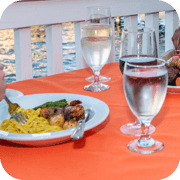
A: If you’re a foodie, you are in for a treat! Cayman is known as the culinary capitol of the Caribbean. Surrounded by ocean, it is no surprise that seafood is a staple in most Caymanian dishes. Conch stew, fish fry, Cayman-style lobster and turtle stew are just a few local favourites. We’ve put together this list of “must-try” local dishes for your next visit.
Of course, these small islands are a melting pot of cultures, so you can also expect to see plenty of delicious Jamaican dishes, Indian cuisine, American, Italian, Mexican, Chinese, Japanese, and everything in between!
And if you’re staying at Morritt’s, be sure to check out our on-site restaurants and bars. We recommend the jerk chicken quesadillas at Mimi’s!
Q: Are there sharks in the water?
A: Yes, there are sharks in Cayman, but unless you’re planning on scuba-diving, you are unlikely to encounter any sharks at all. The most common sharks in our waters are the shy Caribbean reef shark and the docile nurse shark. On very rare occasions, hammerheads and blacktip sharks have been spotted.
A serious or fatal shark attack has never been recorded in the Cayman Islands.
Q: What animals will I see?
A: Cayman is home to beautiful parrots (the cheeky Cayman Parrot is our national bird), majestic sea turtles, stunning blue iguanas and rainbow-coloured fish. Yet funnily enough, the first animals you’re likely to encounter straight out of the airport will be a few chickens! Expect to see these birds everywhere you go.
Check out our blogs on other birds you should look out for, and learn about our favourite sea creatures too!
Q: Where can I buy alcohol?
A: You won’t find alcohol sold in the major supermarkets, but there are plenty of liquor stores and small convenience stores or gas stations that are well-stocked. If you’re looking for local beverages, we highly recommend Cayman Spirits, Caybrew, and 1981.
Q: What’s the drinking age?
A: The legal drinking age in the Cayman Islands is 18.
Q: How can I get around the island?
A: Renting a car will be your most convenient option, but there are also public buses and taxi services. Ride-sharing apps like Uber or Lyft are not available at this time.
Q: Are places open on Sundays?
A: Yes and no. Most of the larger supermarkets and shops close on Sundays, however you will find plenty of small convenience stores, pharmacies, and gas stations remain open. Restaurants and bars are also open on Sundays.
Q: Are there any COVID restrictions?
A: No, there are currently no COVID restrictions for incoming travellers or residents in the Cayman Islands. You may be required to wear a mask in hospitals or doctors offices.
Q: Do I need a visa?
A: You can check this list of countries to see if you need a visa.
Q: Is there Wi-Fi or Internet?
A: Yes, most accommodations provide Wi-Fi or Internet. Check with your individual property for access. Cayman also has several public hotspots too – including airports, coffee shops, post offices, libraries and major shopping centres like Camana Bay or Bayshore Mall.
Q: Is Cayman safe?
A: The Cayman Islands are incredibly safe for locals and tourists alike. Crime is very low, and muggings or pick-pocket incidents are extremely rare.
Q: What is a rum cake?
A: It’s a deliciously moist yellow bundt cake soaked in rum. The Tortuga Rum Cake is famous here and around the world, so we highly recommend bringing some back home for your friends and family to try!
Q: Where can I find locally produced gifts and souvenirs?
A: Thank you for supporting our local artisans and small businesses! Here is a small list to get you started.
Recommended Reading.
Top 7 Things to Do in Grand Cayman
No matter who you are, the Cayman Islands have something for you. Guests always ask us what are the top things to do on the island? There are many unique festivals and events such as Pirates Week, the Christmas Parade of Lights, and Cayman Kitefest, but for this list we’ll focus on things you can do year-round!
As we like to say, creating memories is our specialty. These unforgettable activities put the grand in Grand Cayman so add them to your list!
Stingray City
Stingrays are as majestic as they are docile. Especially in Cayman’s Stingray City. In North Sound you can take a swim on a beautiful sandbar with dozens of these friendly locals. Warning, these stingrays have been known to photobomb visitors! 😆

Jokes aside, you don’t want to miss out on this unique chance to swim with these wonderful creatures. (Psst – want to snag a free Stingray City tour, on us? Click here!)
Starfish Point

In Cayman we’ve got our own walk of fame, with a different type of star! Countless red cushion sea stars and shallow crystal-clear waters, make Starfish Point a hidden gem. You can find this secluded beach on the north side of the island.
Walk like a Caymanian

One of the best things about our islands are the many different international influences that make our culture so unique. Our history as an English colony and inhabitants from the West Coast of Africa, and Jamaica, have blended into a culture that is known for its openness, hospitality, and kindness. They call it Caymankind for a reason. So if you have a chance, get to know us, you’ll make a friend for life! Learn more about our people, music, and culture.
Eat! Eat! Eat!
The perfect embodiment of our culture are our dishes, it’s how we show our appreciation and love. Are you a fan of fresh seafood? Have some scrumptious Coconut Shrimp, Fish & Fritters, a Conch Soup, or an Old-fashioned Fish Fry! You’ll find many of these delicious dishes on property at David’s.
See other must-eat Caymanian dishes.

Drink like a local
It’s no secret, in Cayman – like many of the pirates that called these islands their homes – we like to drink! True to our roots, our favorite spirit is Rum. You can embark on a Rum Tasting Tour, an experience you might forget, if you do it right!


How about a Mudslide, Cayman Mama, Watermelon Mojito, or a Blue Iguana? Our local drinks are as colorful as they are delicious! But don’t be fooled, they pack quite a punch! See a list of our top ten drinks here. Pro tip: Check out our daily activities schedule to see our daily happy hours, drinks of the day, and even our Rum Race (Yes, it’s exactly what it sounds like!) Cheers!
Explore the other side of Cayman!

There are two sides to Cayman – on the islands and in the water – and they are equally beautiful. A trip here would not be complete without taking a plunge into the crystalline depths of the Caribbean Sea. If you think our beaches and bars are lively, wait till you explore life under the sea!
As a matter of fact, there are so many beautiful sights to see in the sea off of Grand Cayman, it would need its own list! That’s why we made one! Here are the top ten wrecks for diving in Cayman. If you’re new to diving, don’t worry, we’ve got you covered. You can get your PADI scuba-diving certification right at Morritt’s.
Just Relax
Sometimes the best thing to do, is nothing at all. That’s why at Morritt’s we offer you so many different ways to relax.
Whatever you’re looking to do, even if it’s nothing, you can do it in Cayman!
July 18
Top 5 Cayman Heritage Sites You Have to See
For such small islands, we really do pack a punch when it comes to our culture and heritage! The Cayman Islands holds a rich tapestry of historical events, and there are many places you can go to experience this history first hand.
It is no surprise then, that with National Heritage Day this month, we simply had to mention a few of our favourite local heritage sites and places of interest. They are definitely worth a visit, even if you’ve already been.
1. Pedro St. James

Known simply as Pedro Castle to most locals, this great house and its grounds date all the way back to the 18th century. Built by slaves, Pedro St. James was originally owned by an Englishman named William Eden, with the surrounding grounds serving as a plantation. No other structure like this existed in Cayman at the time, and we are certain it must have been quite a sight to behold.
It is no surprise then that Pedro St. James became a key meeting place for principal inhabitants and subsequently, has seen a number of historical events occur within its walls. Most famously, it was the venue for an 1831 meeting where Cayman decided it would form its own elected parliament. Just a few years later, in 1835, court was held at Pedro St. James to issue a proclamation that would end slavery in the British Empire.
Today, Pedro St. James is open for visitors. You are welcome to explore the house and grounds on your own, or have a guided tour (which is very much recommended!). Don’t forget to check out the immersive theatre, which tells the story of the islands and how this beautiful home came to be.
2. Miss Lassie’s House

The quaint seaside cottage with blue and white shutters is a familiar site for anyone who has driven down South Sound. Affectionately known today as Miss Lassie’s house, it was built in 1881 by the father and grandfather of Gladwyn K “Lassie” Bush.
In the early 1900s, the house became a rest stop for residents travelling from the Eastern districts into George Town for trading. With no cars on the island, this was often a day-long journey by foot or donkey, so travellers were grateful for the hammocks and cool breeze coming in from the ocean. Here they could rest for a while before continuing on.
Miss Lassie was born in 1914, and she shared the house with her mother, father and eleven older siblings. At the age of 62 she began painting after what she described as a visionary experience. Through her work, Miss Lassie transformed the house into a living piece of art. Walls, windows and furnishings were decorated with her themed paintings, often depicting biblical or historic scenes.
Since her death in 2003, her home has been protected by the Cayman government and was added to the World Monument Fund’s 2012 Watch List, sharing the company of amazing international sites such as the Great Wall of China, Taj Mahal and Valley of the Kings.
3. Watlers Cemetary

The Watler family cemetery dates way back to the early 19th century, but the cemetery is believed to have been in use well before this. During this time, it was custom for families to set aside a portion of their family land for a graveyard, rather than burying their loved ones in big public cemeteries like we do today.
At the time beach land was considered worthless. Crops could not be grown in the sand, and beach areas posed a risk of storm and flood damage. This is why you will see so many beachside graveyards in Cayman. The sand was also much easier to dig through than the inland island rock.
What makes the graves at old burial sites like Watlers Cemetery unique, is the style of the markers placed on top of some of the older graves. Shaped like long houses, these unusual markers protect the casket from storms. Each ‘house’ bears a small mahogany panel with an inscription of the name of the deceased. Though the stone markers have survived the centuries, unfortunately many of the wooden panels with their inscriptions have faded or completely eroded away.
You will see these house-shaped grave markers in other older Cayman cemeteries, and they are also found in medieval English and Welsh graveyards. In other parts of the Caribbean, you can also find similar markers that date back to the early 1600s.
Old cemeteries like Watlers Cemetery are special because they offer insight on past social customs and events. They are an irreplaceable historical resource and an important record of Cayman’s social history.
4. East End Lighthouse Park

Lighthouses have long served as trusty navigational aids for voyaging ships. In the late 1800s, East End was given an official port of entry for local boats going on fishing and turtling trips, as well as incoming and outgoing freight and mail ships. As a result, Grand Cayman’s first lighthouse was erected in East End on Gorling Bluff. It was the highest point in the district, and offered a clear view out onto the reef. This lighthouse was simply a ship’s mast with a kerosene lamp at the top. 18 years later, a much sturdier structure was built nearby. This lighthouse was also kerosene powered, with two lighthouse attendants appointed to maintain it.
The lighthouse remained in service until 1937, when the British Government required all three islands to be equipped with more modern navigational lights. The new lights were automatic gas controlled, so they could be left unattended for up to six months, and thus, the job of lighthouse keepers ceased to exist.
Now, the lighthouse is still in operation, although the current light is solar powered. Both the older lighthouse and the newer lighthouse can be visited.
5. Fort George

Piracy was dwindling by the end of the 1700s, but there was still plenty of lawless activity on the seas. At the time Grand Cayman was experiencing attacks from Spanish invaders, and so Fort George was built in 1790.
Made from coral and limestone, its design was based on British forts of the time, with an oval base, cannons, and five-foot thick walls on the sea-facing side.
During World War II, Fort George was used by the members of the Home Guard. Their barracks were located next to the fort, and they used a tree growing within the walls as a lookout post. There they would watch closely for German submarines, which often patrolled Caribbean waters in search for English-bound merchant ships. A US Naval base was also set up near Fort George behind the George Town Library.
Today very little remains of Fort George’s original structure. In 1972, a local businessman was frustrated that he was unable to develop the land Fort George stood on. When he eventually took matters into his own hands by demolishing sections of the fort, he was stopped by concerned citizens and further damage was prevented.
The fort’s remains were donated to the National Trust in 1987. Some of the ruins can still be seen, as well as a replica lookout house that would have been used all those years ago. It is worth a visit if you find yourself in the George Town harbour area and fancy learning a few thrilling stories of past invasions and citizens banding together to protect their little island.
April 18


